China can mean a harbour crossing, a mountain landscape or a conversation over lunch. The challenge is not finding enough things to do; it is deciding what to leave out. This guide is for families planning a private holiday, rather than a school programme or a fixed group departure.
Choose the kind of trip before choosing the cities
Ask everyone for one experience they would be disappointed to miss. A child might choose a ferry, a teenager a dramatic viewpoint, and an adult a museum. Use those answers to pick a route instead of assembling a list of famous places from opposite ends of the country.
Our starting suggestion is two bases for a shorter holiday. A third can work on a longer trip when the connection is sensible, but every hotel change consumes time for packing, travel and settling in. Count usable days on the ground, not just the dates between international flights.
| Your family enjoys | A direction to explore | The planning trade-off |
|---|---|---|
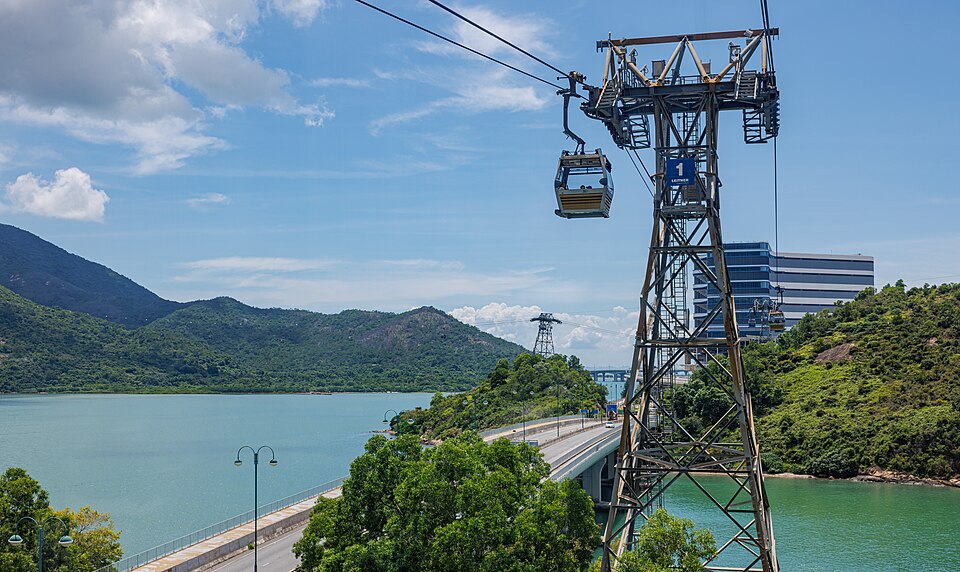
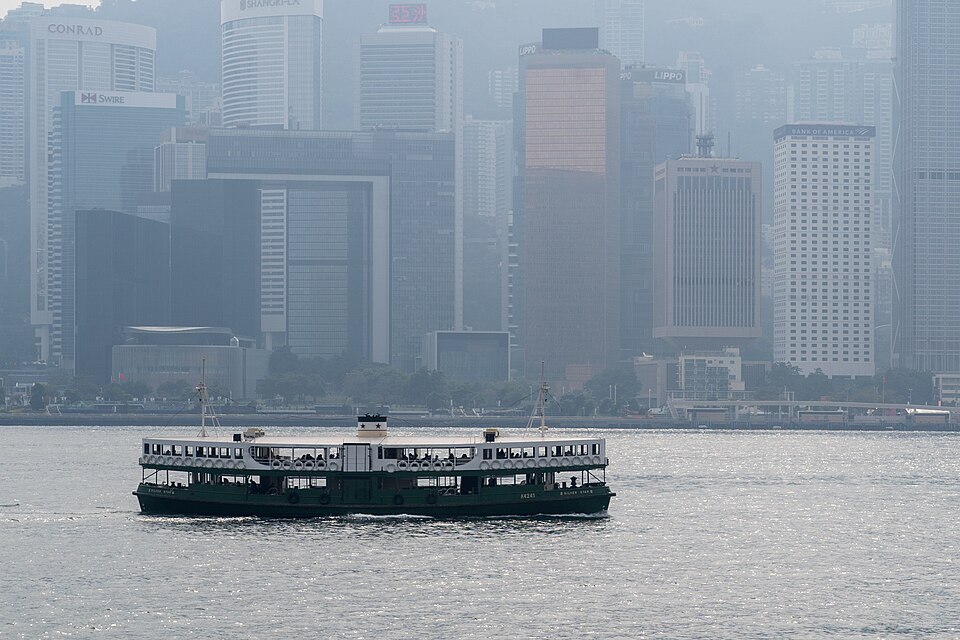
| Cities and easy changes of scene | Hong Kong and Shenzhen | Separate entry arrangements; allow time for the crossing. |
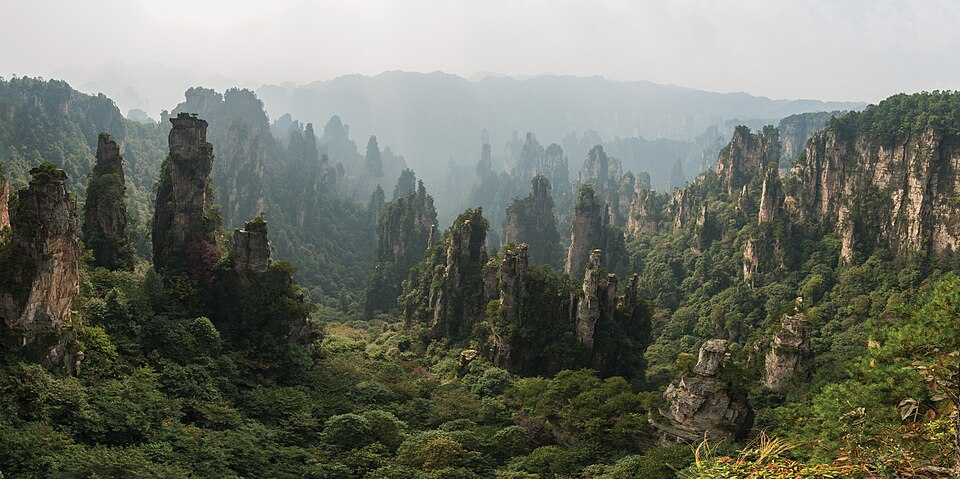
| Mountain views and outdoor discovery | Zhangjiajie | Walking, queues and weather shape the day. |
| Urban character and food | Chongqing or Changsha | Choose short neighbourhood outings rather than long checklists. |
| Big regional landscapes | One part of Xinjiang | Long distances and additional risk and access checks. |
Build a day that still works after lunch
Choose one main outing and one optional extra. Write the optional stop in pencil: it should be easy to drop without making the day feel incomplete. A meal near your main sight is often more useful than a celebrated restaurant across the city.
With younger children, protect a return-to-hotel window. With older children, offer a choice between two afternoon activities. In a mixed-age party, discuss a short-route option and a clear meeting point before anyone separates. These are planning choices, not promises that every attraction can accommodate every need.
Compare door-to-door travel, not just the train time
A short train journey still involves leaving the hotel, reaching the station, finding the right entrance, completing checks and continuing to the next hotel. Avoid a timed attraction immediately after a major transfer. Keep the first evening deliberately simple.
For a private vehicle, confirm the vehicle type, luggage capacity, seat belts and any required child restraint in writing. A driver is not automatically an English-speaking guide. Ask who will help inside an attraction and whether the quoted service ends at the entrance or accompanies you through the visit.
Make meals and small comforts part of the plan
Share food preferences early. A preference for mild food is different from an allergy, which requires specific ingredient and cross-contact discussion with the restaurant. Do not treat a translated menu or a request for no chilli as an allergy guarantee.
Plan regular water and toilet stops, carry the items your family already relies on, and keep a small day bag separate from the main luggage. Ask the hotel to confirm actual bedding and occupancy arrangements: a room described as family-friendly does not necessarily have the beds you need.
Check entry, payments and the details that affect everyone
Check entry requirements for every traveller, including children, against the passport, purpose, dates and complete route. Hong Kong has separate arrangements from mainland China. Start with the relevant authorities, not another traveller's experience, and reconfirm before committing to non-refundable bookings.
For mainland payments, official guidance describes mobile payments, bank cards and cash. Check your own bank and app setup before travel and retain a fallback. Do not put every payment method, booking reference and family contact on one phone.
Sources: National Immigration Administration: official entry information · Hong Kong Immigration Department: visit / transit · State Council portal: payment options for overseas visitors
What to tell your trip planner
Send your approximate dates, total party size, children's general age range, two or three interests and your preferred pace. Explain what a tiring day looks like for your family. You do not need a finished itinerary or passport scans to start a useful conversation.
Ask for a proposal that identifies the hotels, transport, guiding hours, attraction reservations, exclusions and cancellation terms. Good one-to-one planning makes the trade-offs visible so you can decide what matters, rather than simply adding more stops.
Common questions
Do we need a private guide every day?
Not necessarily. You may prefer support for a complex sightseeing day and independent time elsewhere. Agree the exact days and hours instead of assuming a full-time guide is essential.
What is the best age to take children to China?
There is no single best age. Choose places around your own children's stamina, interests and routines. A suitable city day for a toddler can look very different from a mountain day for a teenager.
About this guide
Written for China Storyline, the private-travel brand of Tongzi Education. Route lengths and family pacing are planning suggestions, not reserved itineraries or reports of a specific customer trip. Reconfirm entry, transport, attraction access and booking conditions for your own dates.
Sources checked: . References are linked beside the relevant information.