For families and friends, a first trip is easier to plan when each decision has a place. Start with people and time, not a collection of tickets. The steps below are our suggested planning sequence, with links to more detailed guides when you reach payments, internet access and tour costs.
Step 1: Count usable days and choose your priorities
Write down the time between your arrival and departure, including any overnight flights. A holiday described as ten days may offer fewer full sightseeing days. Protect the first evening from an essential booking, and avoid treating the last morning as spare time until the departure arrangements are clear.
Ask each traveller for one priority: landscapes, history, food, modern cities or time together. With children, add stamina and routines to the list. Our starting suggestion for a shorter first trip is one or two bases, not a daily change of hotel. Longer trips can add places where the connection makes sense.
Step 2: Choose a route you would enjoy at a slower pace
Use the ideas below as directions to discuss, not ready-to-book departures. Travel time, weather, ticket availability and your arrival airport can change the order. Avoid choosing a destination only because a photograph looks close to the previous stop on a map.
| What you want | A route direction to explore | Keep in mind |
|---|---|---|
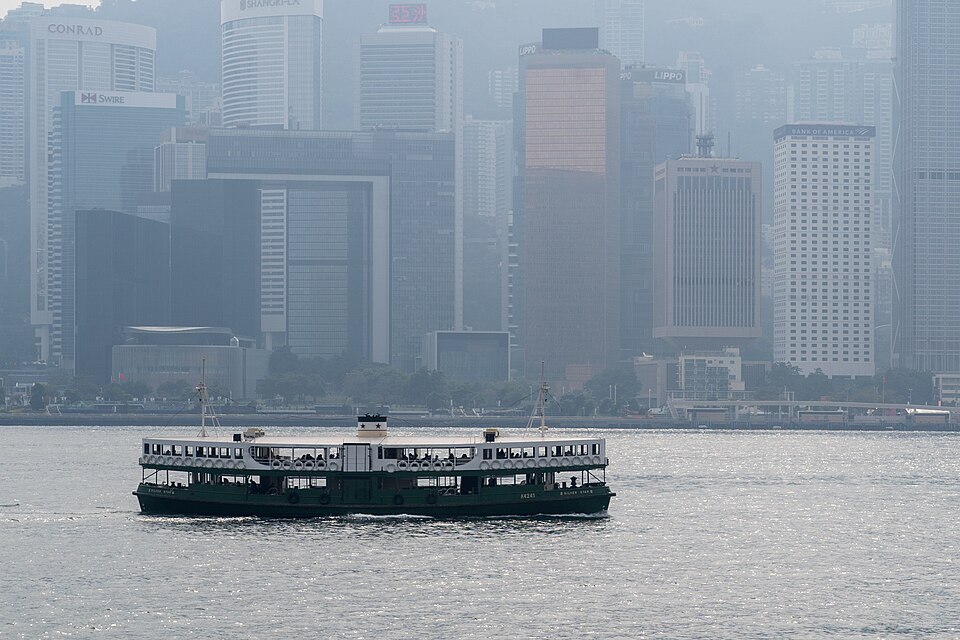
| Harbour life and a modern mainland city | Hong Kong and Shenzhen | Separate entry checks and time for the border crossing |
| A focused landscape trip | Five days around Zhangjiajie | Mountain routes, walking and weather need discussion |
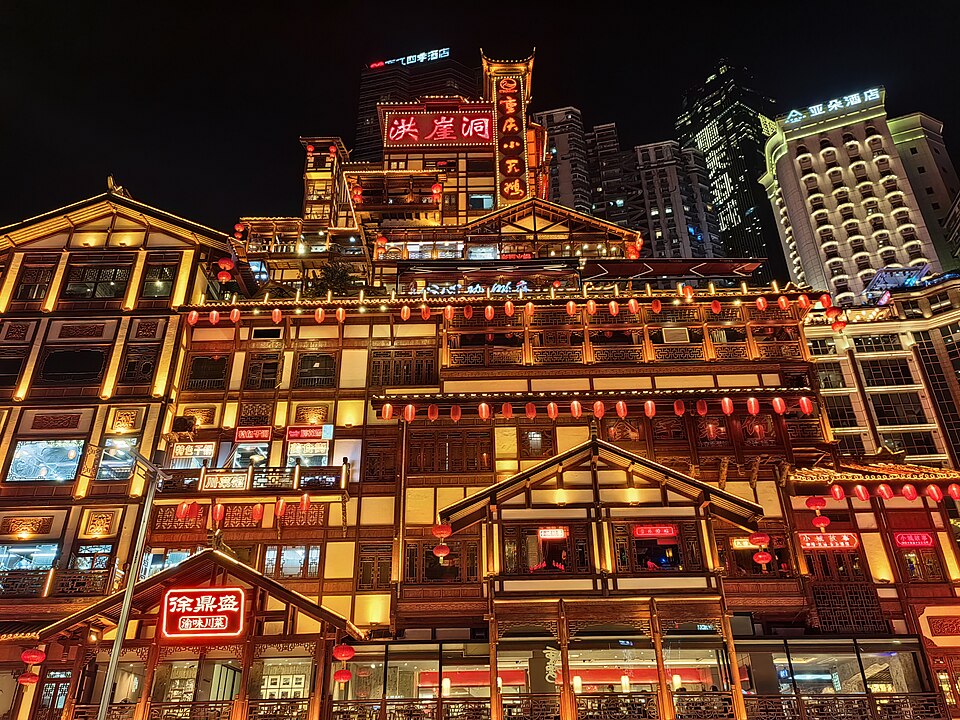
| Food, museums and city character | Chongqing or Changsha as a main base | Choose neighbourhoods by day rather than crossing the city repeatedly |
| More than one style of travel | A city stay plus a nature-focused extension | Confirm the real connection before adding hotels |
Step 3: Check entry requirements before non-refundable bookings
Use the current Chinese embassy or consulate guidance for each passport and consult the National Immigration Administration. Check nationality, passport type, purpose, length of stay and the complete route. Do this for every traveller, including children and people travelling together on different passports.
Hong Kong has its own entry arrangements. Permission to visit Hong Kong does not establish permission to enter mainland China. Do not assume a transit exemption and a normal tourist visit have identical conditions. Keep the route provisional until the applicable authority and your carrier’s document requirements are clear.
Sources: National Immigration Administration: official entry information · Hong Kong Immigration Department: visit / transit
Step 4: Build transport and hotel nights together
Map each transfer from hotel door to hotel door, allowing time for check-in, security, baggage and finding the next pickup. Do not place a must-see timed visit immediately after a connection. Ask the hotel about actual beds, maximum occupancy and whether any requested connecting rooms are guaranteed or merely requested.
Decide where a private car or guide would help and where you want independent time. For a group of friends, agree whether everyone wants the same hotel standard and room arrangement. Compare complete written proposals rather than combining a room price from one version with a transport price from another.
Step 5: Prepare payments and phone access before you fly
Set aside a quiet session for payment-app setup and your mobile-data plan. Treat these as separate tasks: having internet does not mean a card has been approved, and adding a card does not supply a working connection. Keep account recovery and access to verification messages in mind when deciding which phone line to retain.
Our payment guides walk through the questions to check with the apps and your bank. Our eSIM comparison helps you compare provider terms for your actual devices and route. Give another adult access to essential travel details so a flat battery on one phone does not strand the whole party.
Step 6: Confirm the details that make arrival easier
Have the hotel name and address available offline in English and Chinese, with the confirmed meeting point and a fallback plan if you cannot message on arrival. Keep booking references and insurance contact details somewhere you can retrieve without a live connection. Ask your insurer about the complete route and planned activities.
For private arrangements, request the final itinerary, service hours, inclusions, exclusions and change conditions. Tell the planner about walking preferences, meal preferences and relevant access needs early. Sensitive identity or health documents should use an agreed secure booking process, not a general website enquiry.
- Check passports and entry arrangements for everyone again before departure.
- Confirm rooms, transport, pickup details and any essential reservations.
- Prepare more than one way to pay and keep a plan for a lost or uncharged phone.
- Leave one optional part of each day that can be dropped without disappointment.
Common questions
How many days should we allow for a first China trip?
There is no single requirement. As an editorial starting point, consider a focused five-to-seven-day stay or around ten days for a carefully connected two-base trip. Flight times, interests and entry permission determine what is realistic.
Should we book international flights before choosing the route?
Compare flights while planning, but establish entry eligibility and a workable route before committing to non-refundable travel. A different arrival or departure airport can change the rest of the holiday.
About this guide
Written for China Storyline, the private-travel brand of Tongzi Education. Route lengths and family pacing are planning suggestions, not reserved itineraries or reports of a specific customer trip. Reconfirm entry, transport, attraction access and booking conditions for your own dates.
Sources checked: . References are linked beside the relevant information.