Regional itinerary planningFamilies & friendsNot covered by 240-hour transit
NORTHWEST CHINA
Discover Xinjiang, your way.
Xinjiang calls for choosing a region, not collecting every landmark. Plan around a lake, a grassland or a Silk Road story, leaving room for long distances and the season. For families and friends, fewer hotel changes and a realistic daily pace can matter as much as the view.
Check access restrictions, current travel advice and insurance cover for every proposed stop before booking. Remote or border-area access may need additional checks. Do not assume a mainland visa allows access everywhere.
PLACES TO DISCOVER
What to see in Xinjiang
Landmarks, local stories and places to slow down. Pick the ones that speak to you.
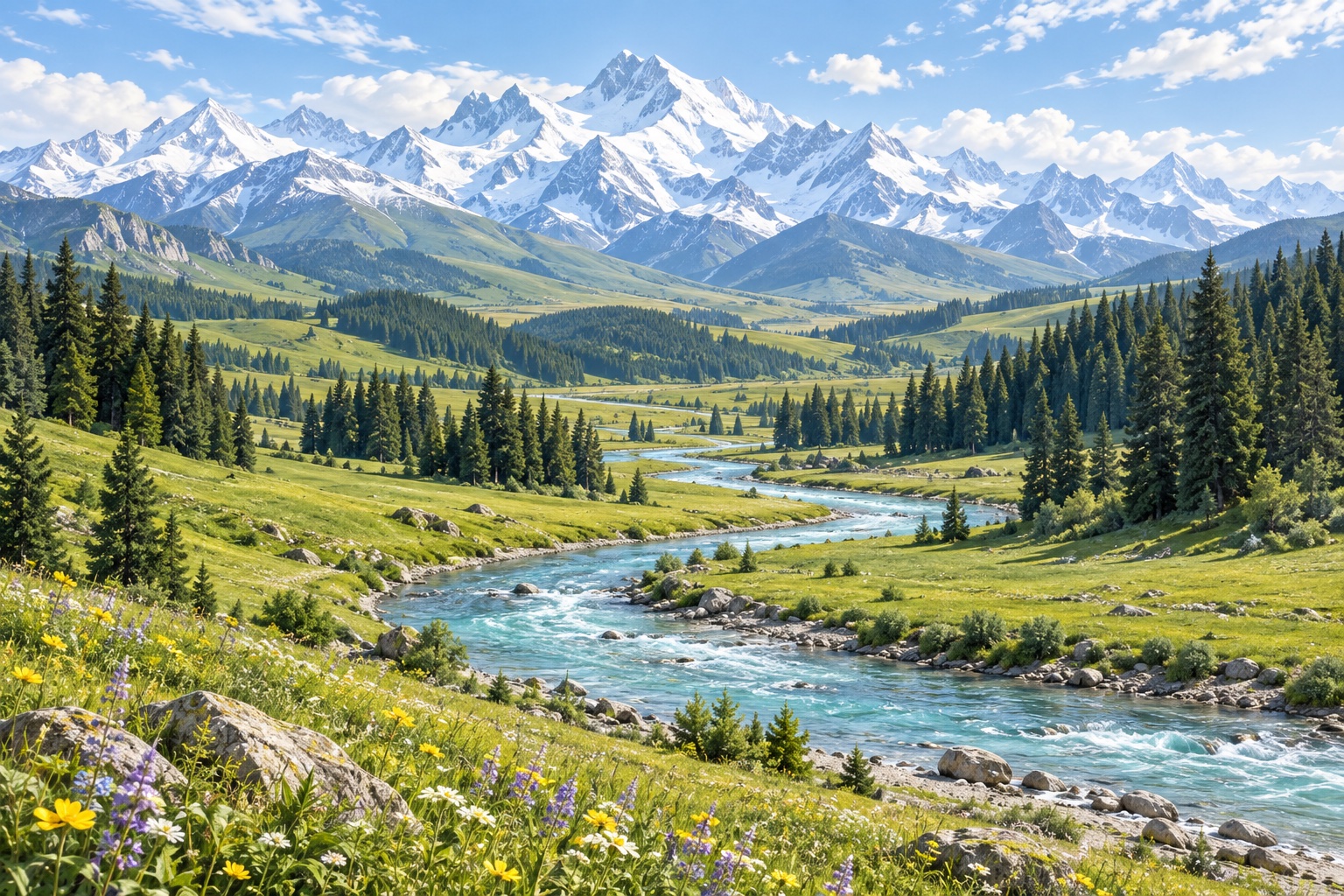
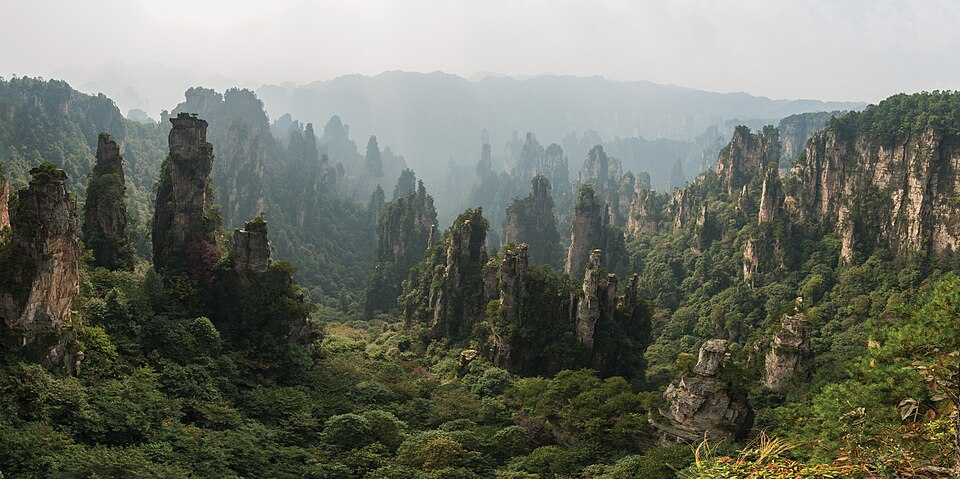
Consider a landscape-led journey around lakes, forests and mountain scenery. Seasons change the experience substantially; agree on accessible viewpoints and transport before finalising the route.
Explore grassland scenery at a pace that leaves room for observation. Respect working pastoral landscapes; activities involving horses or private households need separate agreement.
A mountain-and-lake focus for a Tianshan outing. Weather, altitude, internal transport and available walking routes should shape the plan for your group.
Read an oasis city through its surviving earthen urban remains. It is a place to consider settlement, climate and trade rather than expect a modern reconstructed town.
Explore streets, crafts and food in a long-standing meeting place of trade routes. It remains a lived-in environment: ask before photographing people or entering private spaces.
Buddhist cave art offers a different window onto Silk Road exchange. Check which caves and interpretation services are available; conservation rules guide every visit.
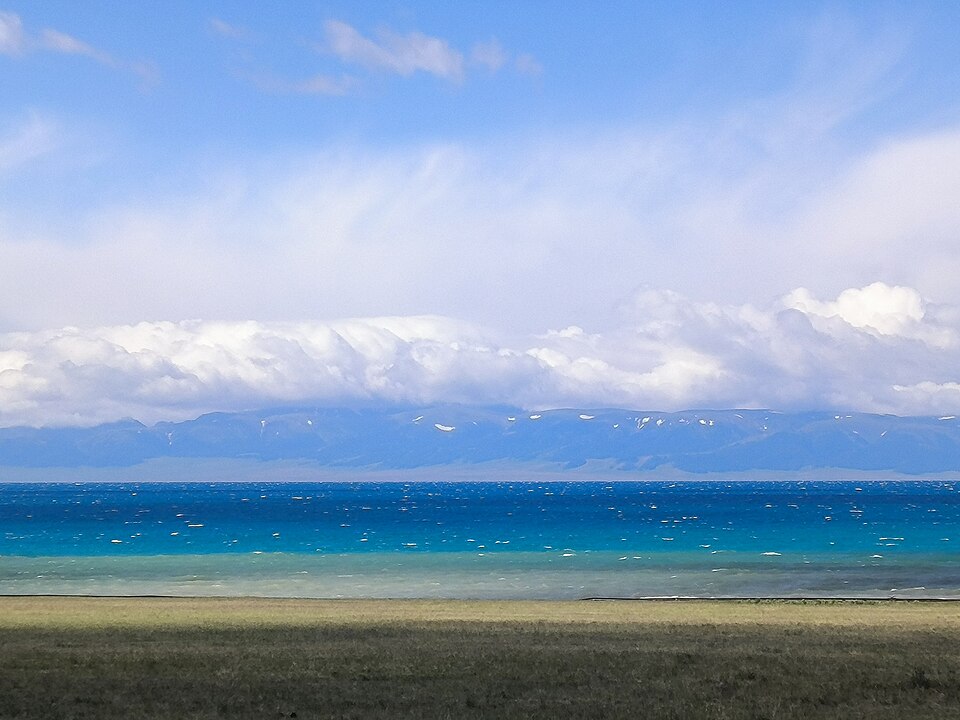
An alpine lake framed by the Tianshan landscape, with places to pause for photographs and wide-open views. Plan transport and weather protection carefully; distance, altitude and access need individual assessment.
Village scenery in the Altay region changes dramatically with the season. Consider it within an Altay-focused journey, not as a quick add-on to Kashgar. Weather, transfers and accommodation need early discussion.
Discuss an Altay-focused trip combining Hemu and suitable nearby landscapes. Season, road conditions and everyone’s travel comfort determine what makes sense.
Prefer streets, crafts and history? Consider a separate southern Xinjiang direction. We will discuss regional distances and access rather than promise unrestricted travel.
No ideas in this category yet. Tell us what you have in mind.Contact us
Experience ideas for a tailor-made proposal, not fixed departures. Dates, venues, language support, transport and prices are confirmed in writing before booking.
HISTORY & CULTURE
The stories behind the scenery
A few starting points for understanding the places you visit, rather than a complete history.
From the 2nd century BCE
Routes linking different worlds
The Chang'an–Tianshan corridor developed within a wider Silk Roads network. Goods moved with ideas, technologies and beliefs; it was a network of routes, not one road.
Trade routes depended on settlements and water management. Surviving cities and religious sites help explain how people adapted to very different environments along the corridor.
Kashgar's craft traditions and daily street life connect a historic trading centre with the present. Approach local communities as hosts and neighbours, not as a staged attraction.
Destination information checked: · Sources are linked beside the relevant places and stories.
SUPPORT THAT FITS YOUR JOURNEY
Choose the help you need.
A private car, a guide, or help communicating along the way. We will discuss each service with you, including what is and is not included.
Private transport
Discuss airport transfers and day-to-day travel around your route. Vehicle, luggage space, child seats if needed, and cross-border arrangements are confirmed separately.
Need help communicating during your visit? Tell us the languages, setting and time needed. Interpretation is an optional service; specialist or certified translation is not assumed.
Considering Xinjiang with kids? Compare regional trip styles, long transfers, seasonal conditions and the official risk and access checks to make before booking.
Start with your passport, not where you live. Use this guide to prepare questions for the relevant authorities.
Official sources checked:
General planning information, not immigration/legal advice or an entry guarantee. Check the linked authorities and your carrier before paying for travel. Only immigration authorities decide admission.
This guide is due for a policy review. Recheck official sources before relying on any dates or limits below.
01
Identify your passport & journey
No passport number, document upload or account required. Selections stay in this page and are not submitted to us. Chinese nationality or parentage, dual nationality and non-ordinary documents require consular advice.
Choose your details for a starting point, then follow the official sources below. This is not an eligibility determination.
02
Compare the possible entry routes
Some ordinary passports, including France, Germany and British citizens, currently have a 30-day short-visit waiver. The published deadline for these passports is 31 December 2026: do not assume it covers a 2027 trip. The US is not on this unilateral waiver list.
Eligible travellers, including US citizens, may instead explore 240-hour transit permission: the country/region immediately before and after mainland China must differ, tickets and designated ports must qualify, and travel must remain within permitted areas. It is not a general 10-day tourist visa.
Xinjiang is not on the current NIA list of permitted 240-hour transit stay areas. A transit permission issued for another city does not permit an extension to Xinjiang.
Check the validity required by your route: US visa applications, short-visit waivers and transit permissions have different document rules.
Keep your itinerary, accommodation, host contact and onward travel evidence ready. For transit, confirmed onward arrangements are essential.
A qualifying short study tour can fall within the 30-day waiver, but formal study and work do not. Have the organiser and consulate check the actual activity.
If you do not qualify for a waiver, check any existing visa first, then apply for the category matching the real purpose of travel. Tourism is generally L; do not automatically use a tourist visa for a study programme.
Applying in the US: follow the embassy/consulate serving your residence. Complete the online review, then submit your passport when instructed. The US guidance asks for more than six months' passport validity and two blank visa pages.
Applying elsewhere: follow the embassy or authorised visa centre for your country of residence. Fees, supporting evidence and appointments vary.
Check whether an arrival card is required for your entry category; use the official NIA channel. Keep the permitted stay conditions given at the border. Hotels register accommodation; for a non-hotel stay, you or your host must register with local police within 24 hours.